User Sentiment Aggregation and Its Impact on Funding Mechanisms in NFL and NBA Betting Platforms
Rafael Long · Jun 6, 2026
User Sentiment Aggregation and Its Impact on Funding Mechanisms in NFL and NBA Betting Platforms
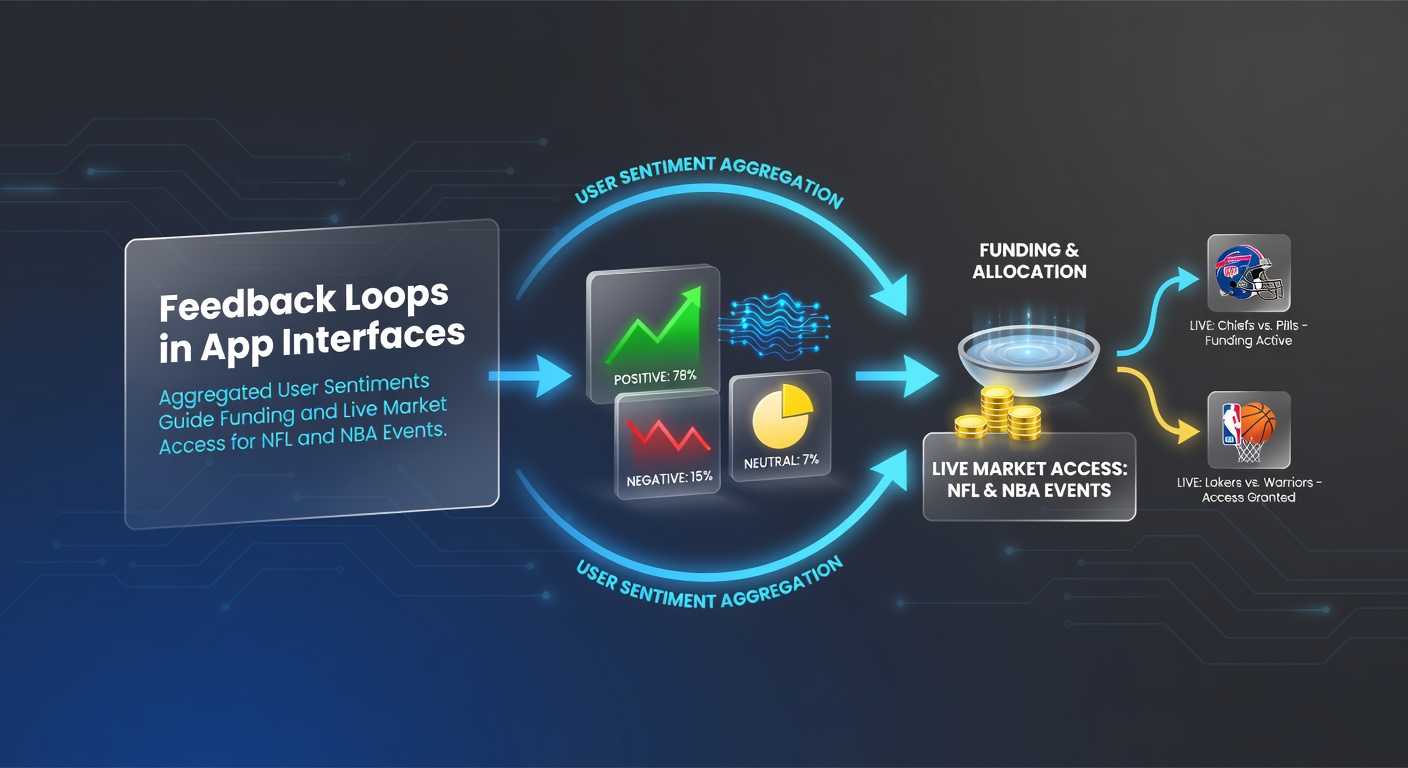
Feedback loops in mobile betting applications operate through continuous collection of user ratings, review patterns, and interaction data that developers analyze to refine deposit processes and live event access for NFL and NBA markets. Aggregated sentiments from thousands of daily sessions inform adjustments in payment gateways, interface layouts, and real-time odds displays as platforms respond to expressed preferences across user bases. In June 2026, several major operators reported incorporating sentiment dashboards that track approval rates for funding speed and market availability, which directly correlate with retention metrics in professional league events.
Collection Methods Behind Sentiment Data
Platforms gather feedback through in-app prompts that appear after deposit completions or live wager placements, along with star ratings submitted during withdrawal reviews. These inputs aggregate into heat maps that highlight friction points, such as delays in ACH transfers or limited live market visibility during high-volume NBA playoff periods. Researchers at academic institutions studying digital gambling interfaces have documented how natural language processing sorts comments about transaction reliability, which then prioritizes updates to supported banking methods in subsequent app versions. Observers note that repeated mentions of specific issues, like slow verification for NFL Sunday games, trigger targeted A/B testing of new interface elements designed to reduce those complaints.
External data sources supplement internal metrics when operators cross-reference app store reviews with regulatory filings. The American Gaming Association compiles industry-wide statistics on user satisfaction that betting companies reference when evaluating how sentiment influences funding flexibility across state-regulated markets. This approach allows teams to identify patterns where lower-rated apps lose market share to competitors offering expanded live betting windows during NBA regular season stretches.
Influence on Funding Pathways
Aggregated user sentiments shape which payment options receive development priority because platforms allocate resources toward methods that consistently receive higher approval scores. When reviews frequently praise instant deposit features for NFL events, developers expand similar capabilities to additional banking partners, whereas complaints about cryptocurrency processing times prompt interface simplifications or alternative provider integrations. Data from platform analytics in 2025 and early 2026 indicate that apps responding to these signals see measurable increases in completed transactions per active user during live market windows.
Case examples from operators show how feedback loops guide rollout schedules. One platform introduced a streamlined e-wallet verification flow after aggregated comments highlighted verification bottlenecks during peak NBA evening games, resulting in faster funding activation for users who previously abandoned sessions. Those who studied transaction logs observed corresponding rises in live betting volume once the updated interface reached broader distribution. The process creates iterative improvements where sentiment data directly informs which funding tools gain prominence in app navigation menus.
Effects on Live Market Accessibility
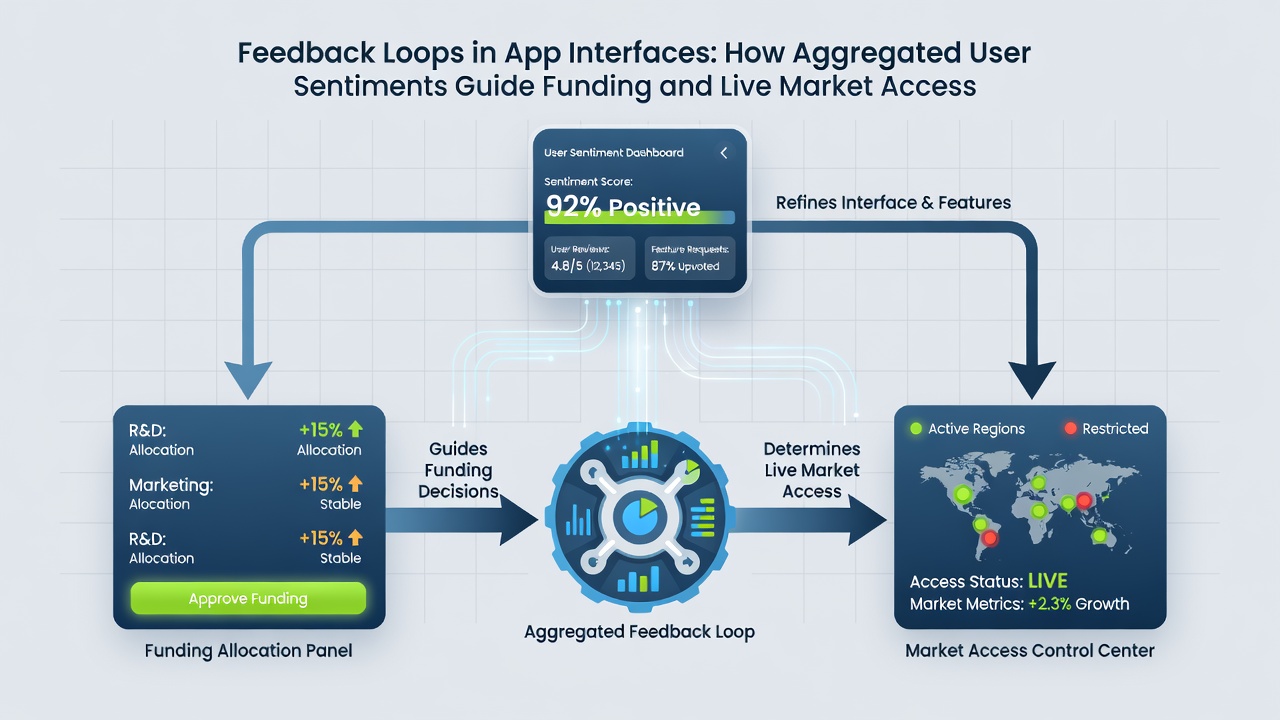
Sentiment analysis extends beyond payments into live event features as users comment on odds refresh rates, market depth, and in-game betting responsiveness for NFL and NBA contests. When aggregated reviews indicate frustration with delayed updates during fast-paced quarters or drives, engineering teams adjust backend data pipelines to prioritize quicker synchronization. Platforms have implemented sentiment-weighted testing protocols that elevate certain live market configurations based on positive interaction scores from prior events.
Geographic variations appear in how these adjustments manifest because user bases in different regulatory environments express distinct priorities. Reports from Canadian regulatory bodies and Australian wagering authorities show operators tailoring live access enhancements according to regional sentiment clusters, such as expanded prop bet availability when feedback emphasizes demand during international NBA broadcasts. This targeted refinement maintains compliance while addressing expressed needs through interface modifications that surface relevant markets more prominently.
Long-Term Platform Adjustments
Over multiple cycles, feedback loops establish self-reinforcing patterns where improved funding and access features generate higher sentiment scores that justify further investment. Industry reports from research organizations like the National Association of Gaming Studies track how sustained attention to aggregated inputs correlates with broader adoption of specific interface elements across NFL and NBA betting apps. Observers note that companies maintaining transparent update logs based on user input tend to sustain engagement metrics even as competition intensifies in live markets.
Developers also monitor cross-feature interactions, such as how deposit method prominence affects exploration of live betting sections. When sentiments link quick funding to increased live wager frequency, interfaces evolve to place prominent calls-to-action that connect these elements seamlessly. This connection becomes evident in usage data collected during major events like conference finals or championship weeks.
Conclusion
The mechanisms through which aggregated user sentiments guide funding options and live market access continue to evolve as data collection techniques advance and regulatory frameworks adapt. Platforms that systematically incorporate these signals demonstrate measurable alignment between interface changes and user retention patterns in NFL and NBA environments. Continued examination of these dynamics provides insight into how digital betting applications maintain relevance through responsive design informed by collective feedback.