Bettor Navigation Trails: Unpacking How Screen Flows Impact Choices in Real-Time League Betting Apps
Ines Peters · Aug 19, 2026
Bettor Navigation Trails: Unpacking How Screen Flows Impact Choices in Real-Time League Betting Apps
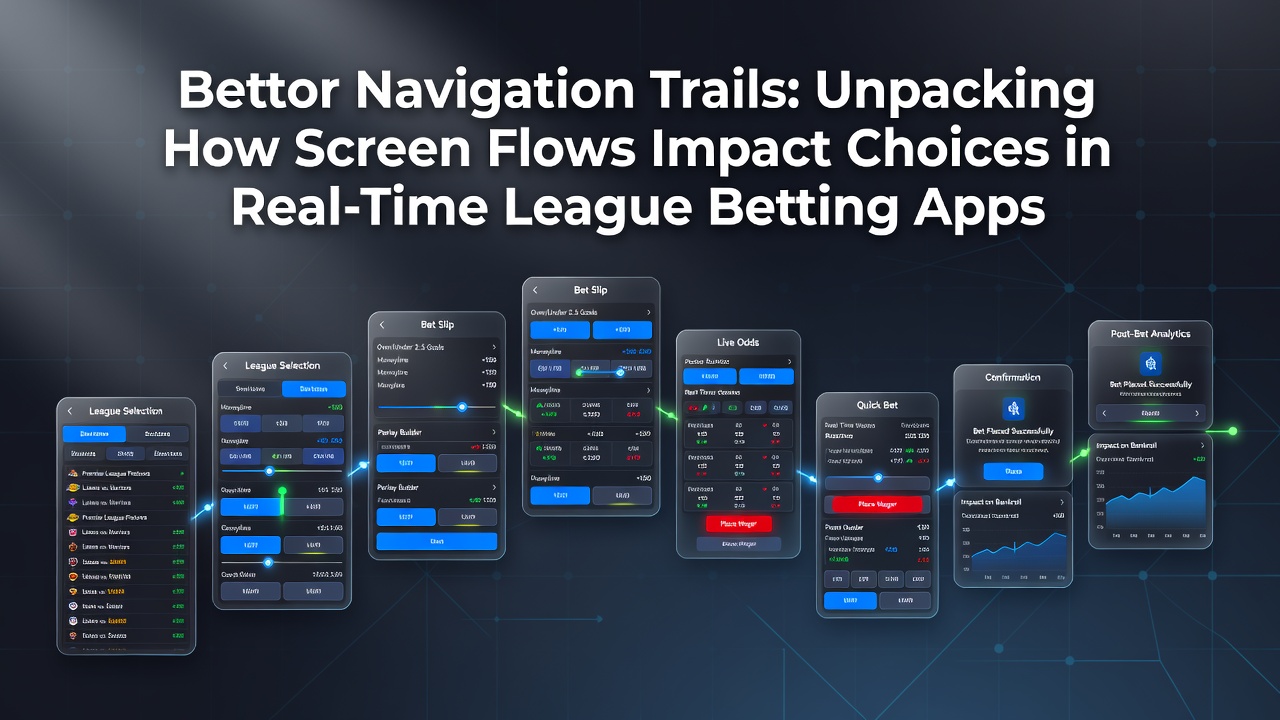
Screen flows in real-time league betting apps direct users through sequences of menus, pop-ups, and confirmation steps that shape how quickly and where they place wagers on NFL and NBA games, and data from multiple platforms shows these paths often determine whether bettors complete deposits or shift to different markets mid-event. Observers note that apps arrange live odds displays alongside quick-bet buttons while keeping deposit options one or two taps away, which creates measurable patterns in user activity during peak game moments such as timeouts or quarter breaks.
Core Elements of App Screen Architecture
Designers structure initial login screens to funnel users toward featured games first, and this layout leads many bettors to encounter live NBA spreads or NFL player props before they reach account funding sections, whereas deeper menu layers require additional clicks that slow the process during fast-changing odds. Research indicates that apps with persistent bottom navigation bars for markets, bets, and wallets reduce the number of abandoned sessions by guiding repeated interactions in a single flow, and studies from industry analysts confirm these patterns hold across both football and basketball seasons.
Pop-up prompts for deposit bonuses appear at key transition points between viewing odds and confirming a bet, and this timing influences whether users add funds immediately or postpone the action until after the current play resolves. Those who've examined usage logs find that when confirmation screens include embedded wallet previews, bettors complete more transactions without exiting the live market view, which maintains momentum through the event.
Real-Time Decision Points and Flow Disruptions
Live betting interfaces update odds continuously, yet the number of screens required to adjust a wager or switch from moneyline to over-under markets affects response time, and figures reveal that streamlined paths with collapsible side panels allow faster modifications compared to apps that force full screen reloads. In August 2026 several major platforms rolled out gesture-based navigation that collapses the deposit flow into a single swipe from the betting slip, and early usage data shows this change correlated with higher placement rates during the final minutes of close NBA contests.
Notification timing intersects with screen flows when alerts direct users straight to specific game pages, and this routing often bypasses the main lobby where other leagues compete for attention, whereas users who must navigate manually encounter more competing options before settling on a wager. Experts tracking these trails observe that apps integrating contextual help within the flow itself reduce hesitation at deposit prompts, especially when users face new payment method selections during high-stakes moments.

Patterns Across NFL and NBA Sessions
Bettors following typical paths tend to deposit smaller amounts when the funding screen appears after a live bet confirmation rather than before, and this sequence produces distinct spending rhythms that analysts link to the visibility of current wager outcomes. Data shows that platforms presenting deposit options within the active betting screen rather than in a separate tab experience steadier funding activity throughout extended NBA overtime periods, while NFL games with frequent commercial breaks allow more time for users to explore alternative payment routes.
One study revealed that users who encounter visual progress indicators during multi-step flows complete live wagers at higher rates than those navigating without such cues, and similar findings appear in reports examining both professional leagues. What's interesting is how minor layout adjustments, such as moving the odds refresh button closer to the bet slip, alter the frequency of market switches mid-game without changing the underlying odds themselves.
Links to Broader Platform Trends
According to research compiled by the American Gaming Association, navigation efficiency directly correlates with session duration in mobile sports betting, and this relationship holds particular weight for real-time league markets where timing determines available odds. Platforms that minimize screen jumps between funding and betting sections report fewer drop-offs, while those requiring repeated authentication steps see measurable reductions in completed live transactions during peak hours.
Additional evidence from the Australian Gambling Research Centre highlights how regional design preferences influence flow effectiveness, and observers note that apps adapting these insights for U.S. league events achieve smoother transitions across deposit and wager stages. The reality is that these architectural choices accumulate into long-term user patterns that shape how bettors approach future events.
Conclusion
Screen flows in real-time league betting apps function as structured pathways that connect initial market discovery to final wager placement and funding actions, and the arrangement of each step produces consistent behavioral outcomes across NFL and NBA sessions. Data continues to demonstrate that refinements in navigation timing and screen sequencing affect both the speed and volume of activity, particularly when updates align with game dynamics in August 2026 and beyond. Those monitoring these systems recognize that the trails users follow ultimately determine which choices become most accessible during live play.